
 简体中文
简体中文 Français
 لالعربية

SPC flooring color matching is the process of converting a buyer’s physical plank, wood sample, décor reference or target color into a repeatable production standard. The process involves more than selecting a similar image. Decorative film, embossing, wear layer, UV coating, gloss level and lighting can all affect the final appearance.
For distributors, private-label brands and commercial project buyers, the objective is not to create a color that only looks correct on a screen. It is to establish an approved physical standard that can be used for sampling, bulk production and batch inspection.
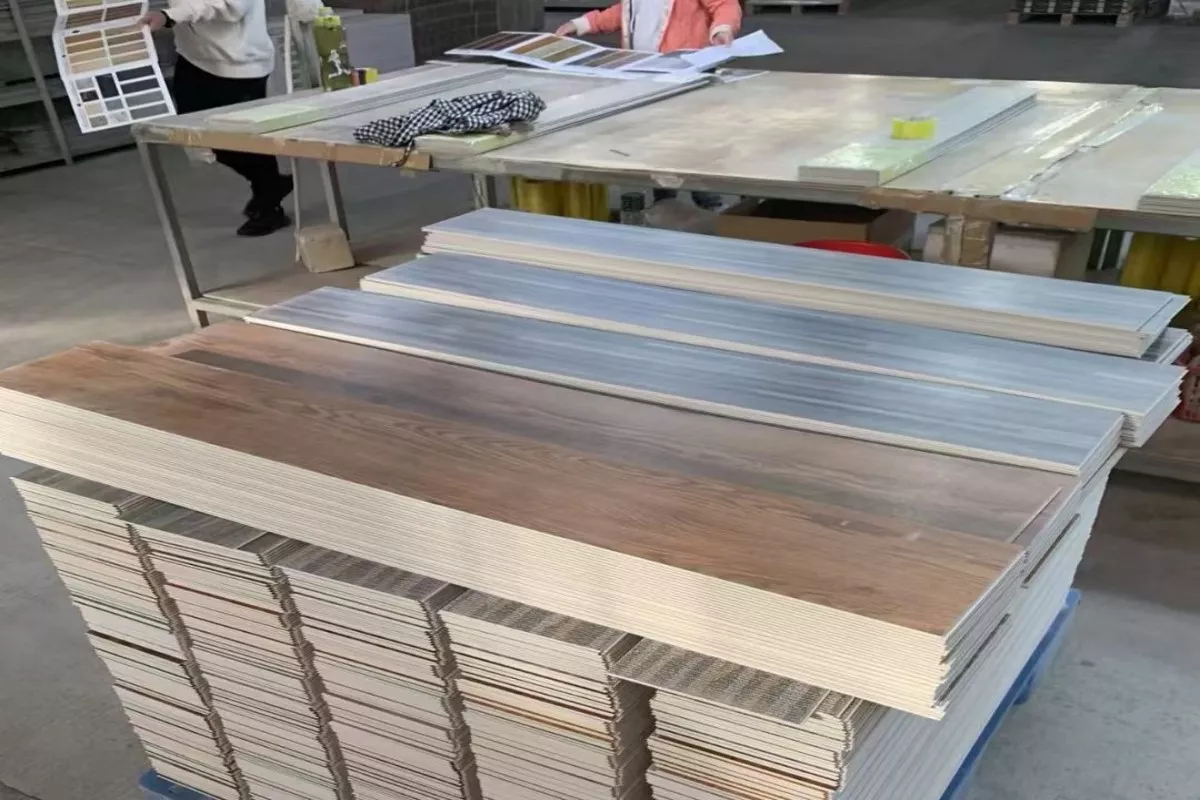
Factory workers comparing finished SPC flooring planks with physical color and décor references.
Quick Answer: How Is SPC Flooring Color Matched?
SPC flooring color matching normally follows these stages:
Receive and evaluate the buyer’s reference
Search for a suitable existing décor film
Develop or adjust the color when required
Produce physical trial samples
Approve one sample as the production standard
Check the first production pieces against the approved sample
Inspect color consistency during and after production
Retain approved samples and production records
The approved physical sample, rather than a mobile-phone photo or computer image, should be used as the final color reference.
Why SPC Flooring Color Matching Is More Complex Than It Looks
The visible color of an SPC plank is mainly created by its decorative film, but several additional factors influence the finished result:
Décor film printing and ink formulation
Wear-layer transparency
Surface embossing depth and pattern
UV coating and gloss level
Bevel or painted-edge color
Lighting conditions during inspection
Differences between screens, cameras and printed images
Natural variation within wood-grain designs
Two planks using similar decorative films may still look different if their gloss, embossing or surface coating is not the same. Buyers should approve the complete finished plank rather than the decorative film alone.
Step 1: Evaluate the Buyer’s Reference
The quality of the reference affects the accuracy of the matching process. A physical flooring plank, wood sample or approved material board normally provides more reliable information than a screenshot or online image.
Useful reference materials include:
An existing flooring plank
A physical wood or laminate sample
A printed color standard
A previous approved production sample
A décor film reference number
A high-resolution image with clear color instructions
Before matching begins, the buyer and supplier should confirm whether the objective is:
An exact match to an existing physical sample
A similar commercial color using an available décor
A lighter, darker, warmer or cooler variation
A new private-label décor collection
A project color coordinated with furniture or wall finishes
Why Screenshots Should Not Be the Final Color Standard
Colors displayed on phones and computer monitors vary according to screen settings, brightness, color profile and camera processing. Online images may also be compressed or automatically adjusted.
A digital image can be used to identify the general direction, but the final production color should be approved through a physical sample. This helps reduce disputes caused by differences between screen color and actual flooring.
Step 2: Select an Existing Décor Film or Develop a New Match
The supplier first checks whether an existing decorative film or décor collection is sufficiently close to the buyer’s reference. Using an available design can reduce development time and may provide a more flexible minimum order quantity.
If no existing design is suitable, the matching process may require:
Adjusting the color of an existing wood-grain design
Changing the background tone or grain contrast
Developing a newly printed décor film
Selecting a different grain scale or repeat pattern
Coordinating the decorative film with a specific embossing plate
Custom film development may involve additional sampling time and minimum-order requirements. These conditions should be confirmed before development begins.
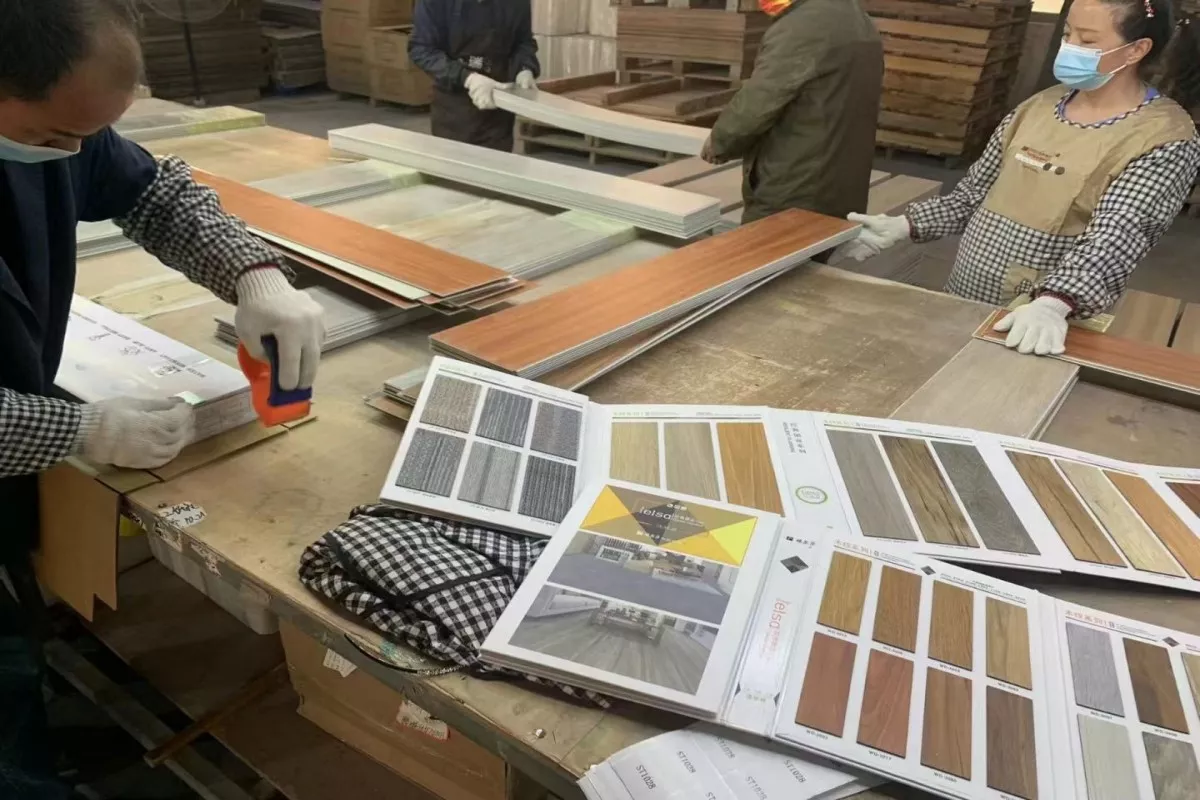
Wood-grain and stone-look flooring samples compared during décor and color selection.
Step 3: Confirm Surface Texture and Gloss
Color cannot be separated completely from surface texture. A deep embossed surface creates different highlights and shadows from a smooth surface. A matte finish may appear softer, while a higher-gloss coating may make colors look darker or more saturated under direct lighting.
Buyers should confirm:
Basic wood embossing, deep embossing or EIR surface
Target gloss level
UV coating appearance
Bevel type and bevel color
Whether the sample will be viewed under strong commercial lighting
For synchronized wood-grain surfaces, buyers can also review our EIR SPC Flooring options.
Step 4: Produce Physical Trial Samples
After the décor and surface direction are selected, physical samples should be produced using a structure close to the intended bulk product. The trial sample should include the planned decorative film, wear layer, surface texture and coating whenever possible.
The buyer should evaluate trial samples under more than one lighting condition:
Natural daylight
Warm indoor lighting
Cool white commercial lighting
The intended project or showroom environment
The sample should be placed horizontally because flooring may appear different when viewed vertically. Several planks should be arranged together to evaluate grain variation and the overall installed effect.
Step 5: Establish the Approved Production Standard
Once the buyer selects a sample, it should be clearly identified as the approved standard. Approval records should include more than a photograph.
A practical approval record may contain:
Product or décor code
Buyer name and project reference
Approval date
SPC core thickness
Wear-layer specification
Surface embossing
Gloss requirement
Backing structure when applicable
Bevel and edge treatment
Approved sample number
The supplier and buyer should retain corresponding samples whenever practical. This creates a physical reference for bulk production and future repeat orders.
Step 6: First-Piece Inspection Before Continuous Production
At the beginning of production, the first finished planks should be compared with the approved sample before the full batch continues. This inspection helps identify differences caused by decorative film selection, coating, embossing or production settings.
The first-piece check should review:
Overall color direction
Wood-grain clarity and contrast
Surface gloss
Embossing appearance
Bevel and edge color
Plank structure and dimensions
If the first pieces do not match the approved standard, the reason should be identified before continuous production.
Production Control for Batch Color Consistency
Approving the first piece does not complete the color-control process. Samples should also be taken during production to check whether the appearance remains consistent throughout the batch.
Factory inspection can include:
Comparing samples from different production periods
Checking planks under consistent lighting
Reviewing several cartons or production stacks together
Comparing color, gloss and surface texture
Using color-measurement equipment when required
Recording batch and decorative film information
Retaining representative production samples
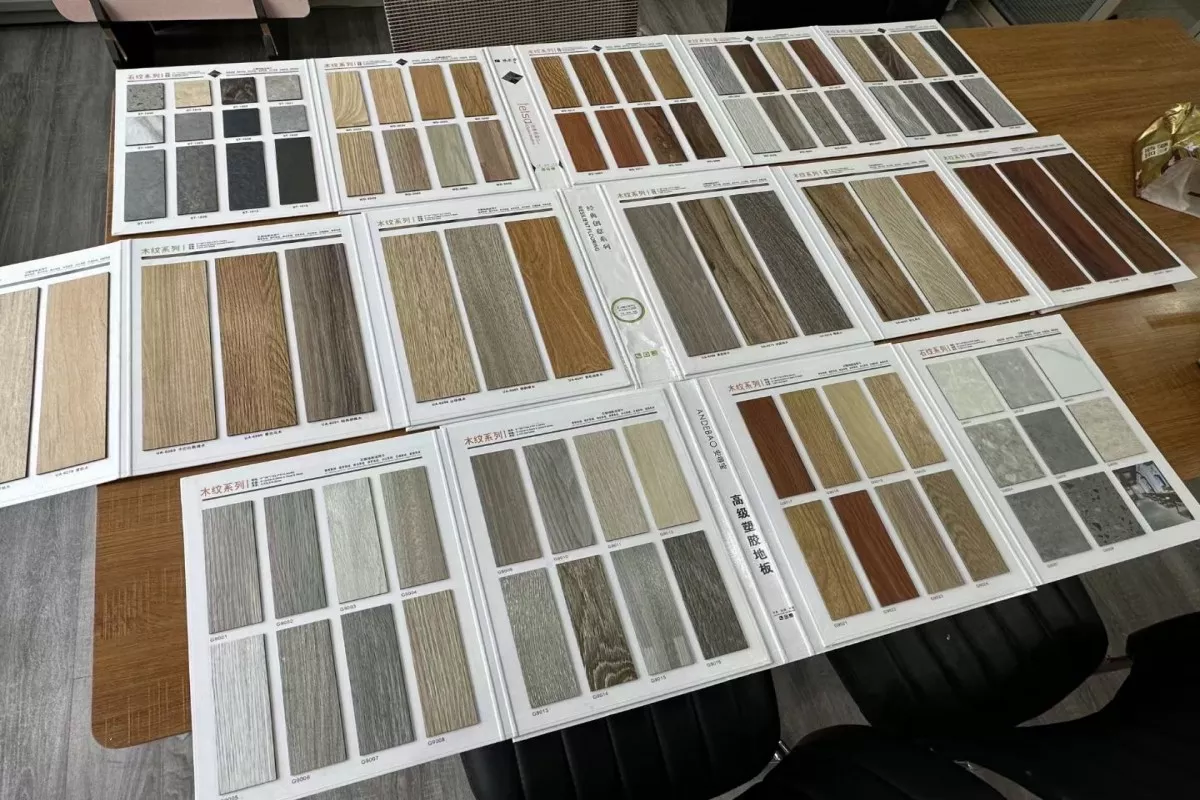
Finished SPC flooring planks prepared for production color and batch consistency inspection.
If a numerical color tolerance is required, the measuring method, equipment, reference point and acceptable tolerance should be agreed before production. A tolerance should not be added after the order is completed.
For a broader inspection overview, see our SPC Flooring Quality Control Process.
How Buyers Should Inspect Bulk Flooring
A single plank may not represent the appearance of an entire order. During pre-shipment inspection, cartons from different pallets or production stages should be sampled.
Buyers or inspectors should:
Open cartons from different pallets
Arrange multiple planks under consistent lighting
Compare them with the approved sample
Check grain variation and overall color balance
Inspect gloss, embossing and bevel consistency
Record carton and batch numbers
Photograph the inspection arrangement
Wood-look flooring is designed to contain pattern variation. Inspection should distinguish between intentional décor variation and an actual production color difference.
Common Causes of SPC Flooring Color Differences
| Possible Cause | What the Buyer May See | Recommended Control |
|---|---|---|
| Different décor film batches | Change in background tone or grain contrast | Record film batches and compare during production |
| Different gloss levels | Color appears lighter, darker or more reflective | Approve gloss together with color |
| Different embossing | Changed highlights, shadows and grain depth | Use the approved embossing plate and surface sample |
| Screen-based approval | Actual floor differs from the phone or computer image | Approve a physical finished sample |
| Mixed production batches | Visible difference between installation areas | Track batches and plan installation carefully |
| Different lighting | Color appears warmer or cooler | Evaluate samples under agreed lighting conditions |
What Buyers Should Confirm Before Custom Color Development
Target color and physical reference
Acceptable level of similarity
Wood-grain style and grain scale
Surface embossing and gloss
SPC thickness and wear layer
Bevel and edge treatment
Backing requirement
Expected order quantity
OEM carton and label requirements
Required sample approval date
Destination market and application
Color Matching for Private-Label SPC Collections
Private-label distributors often need several coordinated colors rather than one isolated design. A collection may include light oak, natural oak, warm brown, grey and darker accent colors developed for a specific market.
When building a collection, buyers should consider:
Whether the colors are clearly different from one another
Regional preferences and commercial applications
Availability of matching embossing plates
MOQ requirements for each décor
Packaging and sample-board presentation
Future availability for repeat orders
A smaller group of well-selected and repeatable colors is often more practical than a large collection with limited order volume per design.
Frequently Asked Questions
Can SPC flooring be matched from a photograph?
A photograph can be used to identify the general color direction, but it should not be the final production standard. Screen and camera differences can change the apparent color. A physical sample is recommended for final approval.
Can you match an existing flooring plank?
Yes. An existing plank can be used as a reference. The supplier will evaluate the color, wood grain, surface texture, gloss and product structure before recommending an existing décor or custom development.
Is an exact color match always possible?
The achievable result depends on the reference, available décor films, printing process, embossing and coating. The acceptable matching standard should be agreed through physical samples before bulk production.
Does custom color matching increase the MOQ?
It may. Using an existing decorative film normally offers more flexible quantities, while a newly printed film or custom décor may require a higher minimum order.
Why does the same décor look different with another surface?
Embossing and gloss affect how light reflects from the plank. The same film may therefore appear different when used with a matte, deep embossed or EIR surface.
How is color consistency checked during production?
Production samples can be compared with the approved standard under controlled lighting. Samples from different stages and pallets may also be reviewed, recorded and retained.
Should buyers mix cartons during installation?
Installers should follow the approved installation instructions and review planks from multiple cartons to distribute intentional décor variation. Products from visibly different or unapproved batches should be investigated before installation.
Start Your OEM Color-Matching Project
Send Floren Floor your physical reference, décor image, target market, required specification, order quantity and destination. We can evaluate available decorative films and prepare trial samples for approval.
Email:liao@floren-floor.com
WhatsApp:+86 184 7697 2496
Request Color-Matching Samples
