简体中文
简体中文 Français
 لالعربية

PVC sports flooring is widely used in badminton courts, school gyms, table tennis rooms, basketball training areas and multi-purpose sports halls. It provides good foot comfort, anti-slip performance, stable sports movement and easy daily maintenance.
However, in real projects, some buyers, contractors and facility owners may face problems after installation, such as edge curling, bubbling, hollow areas, visible seams, poor welding or floor movement.
These problems are usually not caused by one single reason. They are often related to subfloor preparation, moisture control, adhesive application, temperature changes, seam welding, installation method and site management.
As a PVC sports flooring supplier for project applications, Floren Flooring believes that good installation control is just as important as product selection.
Why Installation Quality Matters for PVC Sports Flooring
PVC sports flooring is different from ordinary decorative flooring. It is used for sports movement, running, jumping, footwork, training and daily facility use. If the flooring is not installed correctly, it may affect both appearance and safety.
Poor installation may cause:
Edge curling
Bubbling or hollow areas
Seam opening
Visible joint lines
Floor movement
Uneven surface
Shorter service life
Higher after-sales cost
For schools, sports clubs and training centers, these problems may also affect daily operation and user experience.
Common Problem 1: Edge Curling
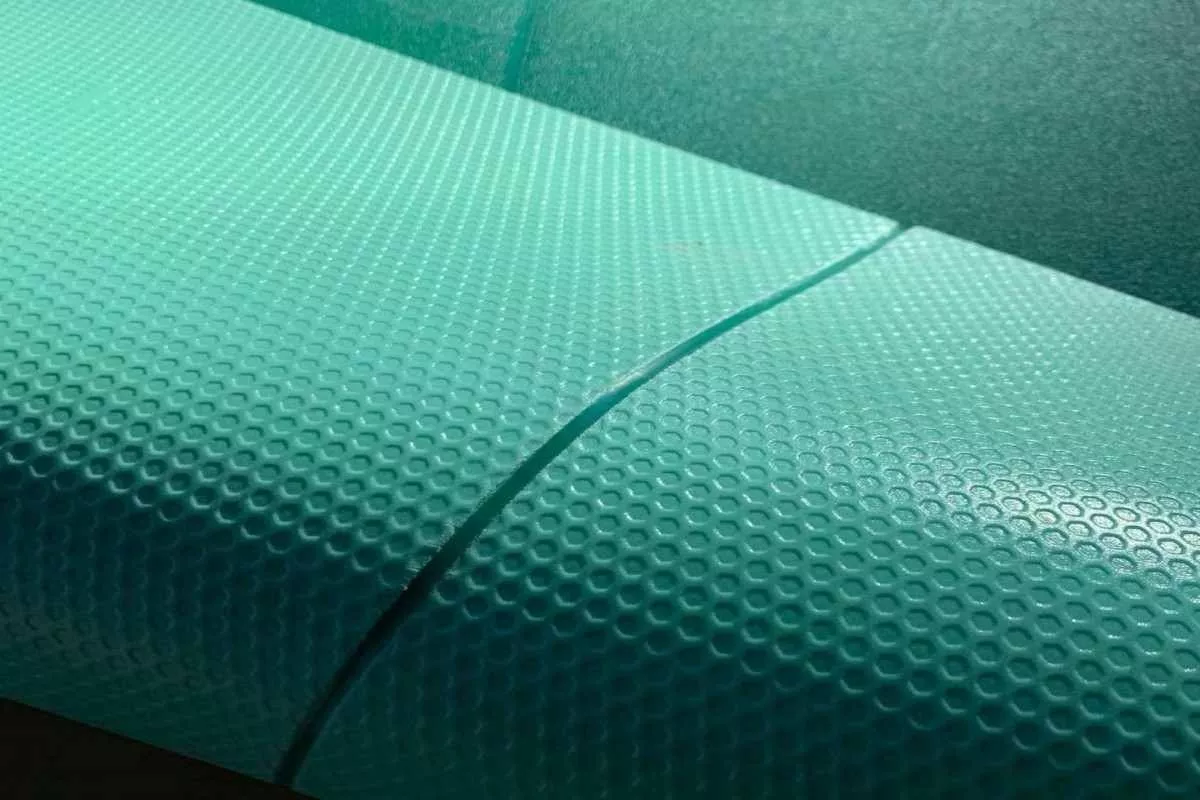
Edge curling means the edge of the PVC sports flooring lifts up after installation. This problem usually appears near walls, seams, door areas or cutting edges.
Possible causes include:
Subfloor not dry enough
Adhesive not applied evenly
Wrong adhesive selection
Insufficient rolling after installation
High temperature or sunlight exposure
Poor edge cutting or finishing
Flooring not acclimated before installation
When edge curling appears, it may create tripping risk and affect the professional look of the court.
To reduce this risk, installers should check the site condition before installation, use suitable adhesive, control installation temperature and ensure the flooring is properly rolled and fixed.
Common Problem 2: Bubbling or Hollow Areas
Bubbling usually happens when air, moisture or poor adhesion exists under the PVC sports flooring. The surface may look uneven, soft or raised in some areas.
Common causes include:
Moisture under the floor
Dust or loose particles on the subfloor
Uneven adhesive coverage
Installation before the base is fully ready
Poor rolling pressure
Trapped air during installation
For indoor sports courts, bubbling can affect foot movement and long-term durability. If the problem is serious, the flooring may need local repair or reinstallation.
Before installation, the subfloor should be flat, dry, clean and strong. Installers should also make sure the adhesive open time and working time are controlled correctly.
Common Problem 3: Seam Opening or Poor Welding
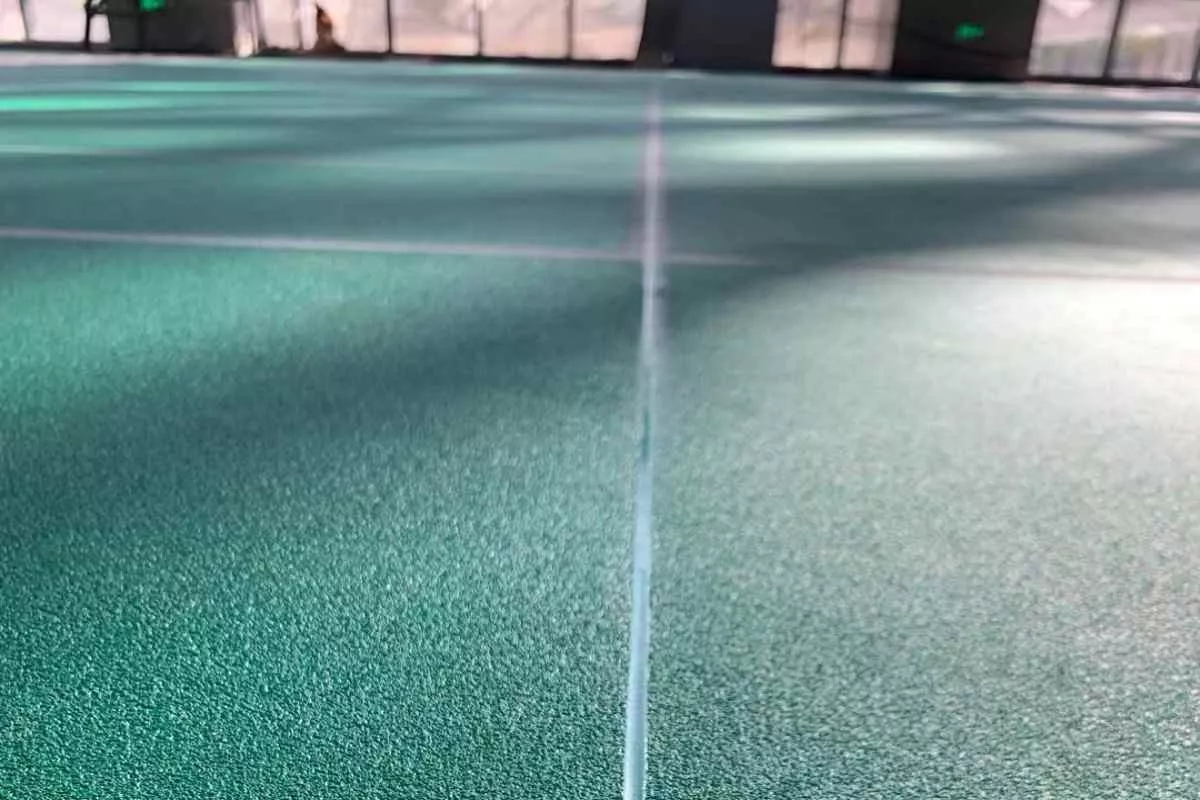
Seam treatment is one of the most important details in PVC sports flooring projects. If the seam is not handled properly, visible lines, joint opening or welding failure may appear after use.
Possible reasons include:
Incorrect seam cutting
Poor alignment between flooring rolls
Welding temperature too high or too low
Welding rod not suitable
Grooving depth not controlled
Installation movement before adhesive curing
Weak pressure at the seam area
A good seam should be straight, clean, stable and properly welded. For sports halls, seam quality directly affects appearance and long-term use.
Installers should control cutting accuracy, grooving depth, welding temperature and final trimming carefully.
Common Problem 4: Floor Movement After Use
Floor movement may happen when the flooring is not fully bonded to the subfloor, or when site conditions change after installation.
This may be caused by:
Incorrect adhesive usage
Poor subfloor strength
Moisture or dust under the floor
Heavy use before full curing
Large temperature changes
Poor installation layout
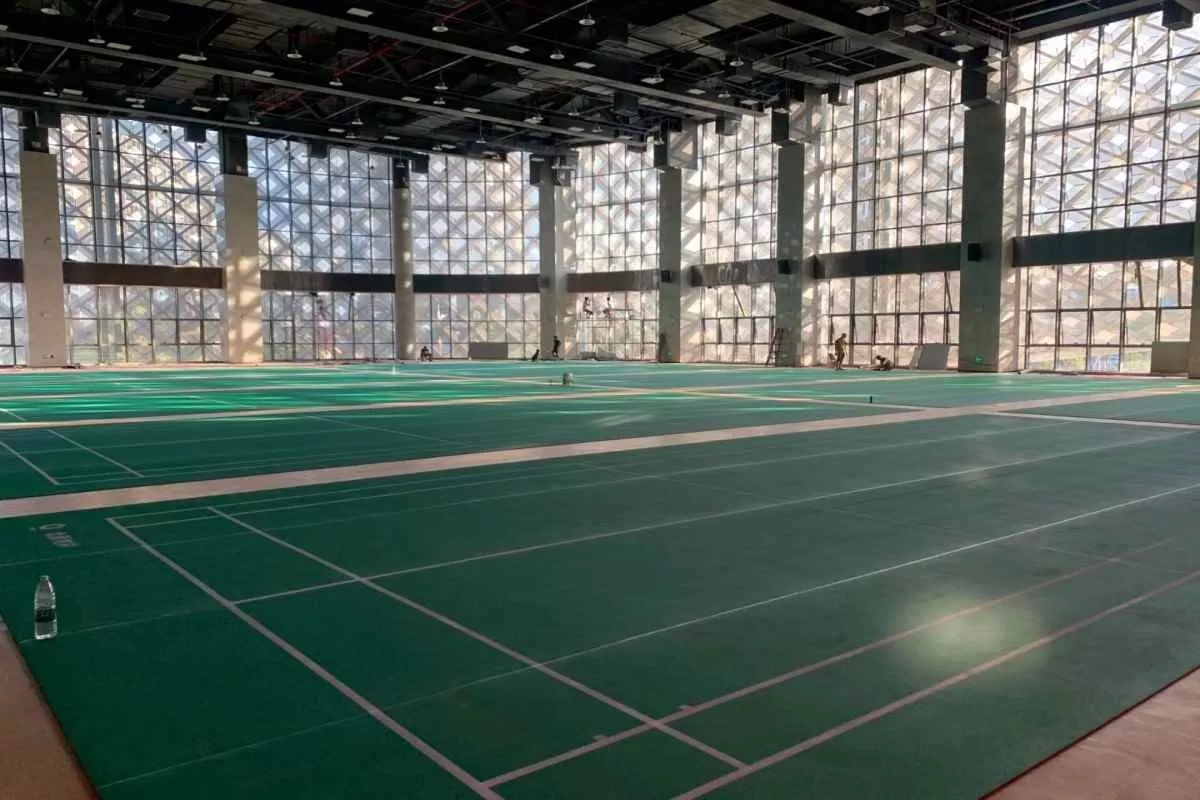
For large indoor sports halls, the flooring area is usually wide. If installation control is weak, small problems may become more visible after daily use.
Proper site preparation, adhesive control and handover inspection can help reduce this risk.
Main Causes Behind Installation Problems
1. Subfloor Condition Is Not Qualified
The subfloor is the foundation of the whole sports flooring system. Even high-quality PVC sports flooring may perform poorly if the base is not suitable.
Before installation, the subfloor should be:
Flat
Dry
Clean
Strong
Free from dust and oil
Free from hollow areas
Without loose particles or cracks
If the subfloor is uneven or weak, the flooring may have hollow sound, bubbling, seam stress or surface unevenness later.
2. Moisture Is Not Controlled
PVC sports flooring needs a dry and stable installation base. Moisture under the floor can lead to bonding failure, odor, mold risk, bubbling or edge problems.
Common moisture risks include:
New concrete not fully dried
Water leakage
Poor ventilation
Wet construction work not finished
High indoor humidity
Moisture rising from the base
Before installation, the project team should check moisture condition and make sure the floor base is suitable.
3. Adhesive Application Is Incorrect
Adhesive is a key factor in PVC sports flooring installation. Wrong adhesive selection or incorrect application may cause bonding problems.
Installers should pay attention to:
Adhesive type
Coverage amount
Open time
Working time
Rolling pressure
Curing time
Site temperature
Too much adhesive, too little adhesive or uneven adhesive can all create installation problems.
4. Temperature and Sunlight Are Not Managed
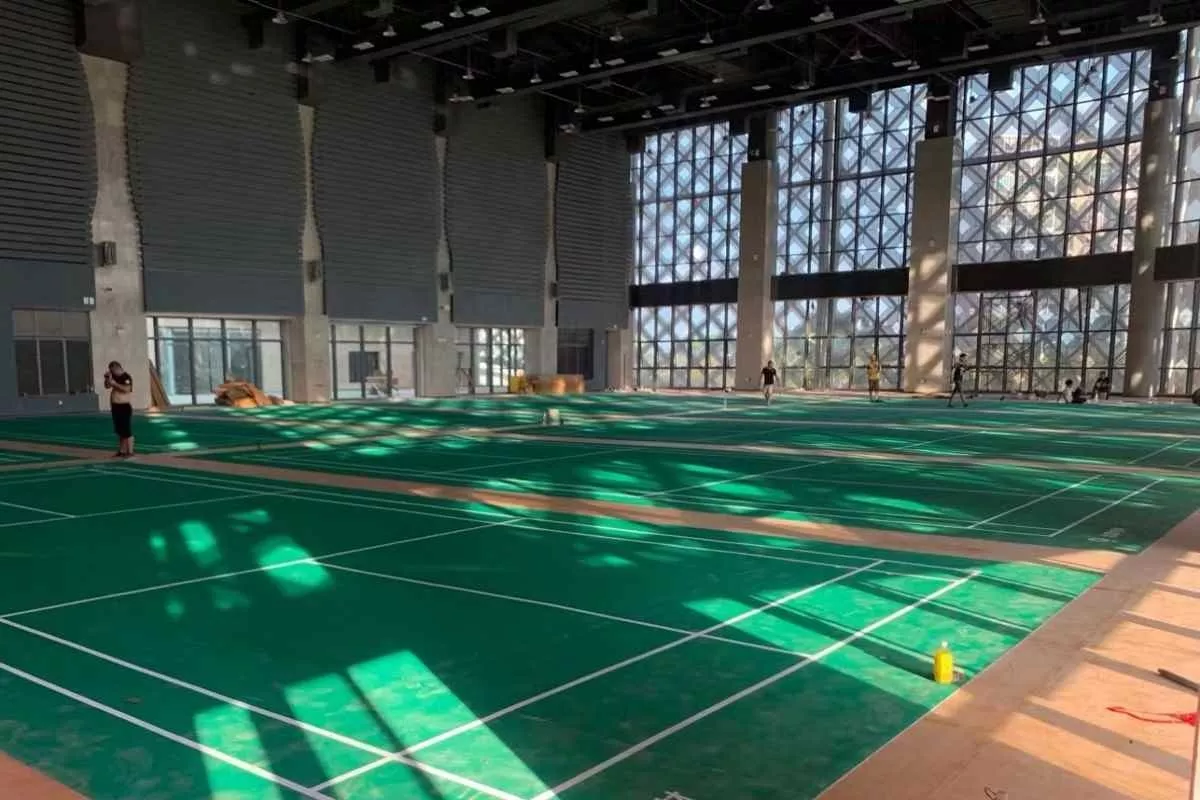
Large indoor sports halls may have strong sunlight, wide windows or changing indoor temperatures. Temperature changes can affect flooring stability, adhesive curing and seam performance.
Projects should avoid installation under extreme site conditions. Strong direct sunlight should also be considered during installation and maintenance planning.
For sports halls with large windows, curtains, ventilation and indoor temperature control may help improve long-term floor stability.
5. Seam Welding Is Not Professional
For roll PVC sports flooring, seam welding is a technical step. Poor welding may cause visible seams, weak joint areas or later opening.
Professional seam control includes:
Accurate roll alignment
Correct grooving depth
Suitable welding rod
Proper welding temperature
Smooth trimming
Final inspection
If the seam is not properly treated, the court may look unfinished and may have higher after-sales risk.
How to Prevent PVC Sports Flooring Installation Problems
1. Check the Subfloor Before Installation
Do not install PVC sports flooring before the base is ready. The project team should check flatness, dryness, strength and cleanliness.
If the subfloor is not qualified, repair work should be completed first.
2. Control Site Conditions
A stable jobsite helps improve installation quality. The installation area should avoid strong temperature changes, high humidity and heavy cross-construction.
The site should be clean, enclosed and ready for flooring work.
3. Use Suitable Adhesive
Different project conditions may require different adhesive solutions. Contractors should choose adhesive according to the flooring type, subfloor condition and project requirements.
Adhesive should be applied evenly and rolled properly after installation.
4. Handle Seams Carefully
Seams should be aligned, grooved, welded and trimmed correctly. This step directly affects the final appearance and durability of the sports floor.
For sports halls, seam quality should be inspected before handover.
5. Allow Enough Curing Time
After installation, the flooring should not be used too early. Heavy traffic, sports activity or equipment movement before full curing may affect bonding quality.
Project managers should follow installation guidance and protect the floor after installation.
6. Provide Daily Maintenance Guidance
Even after correct installation, proper maintenance is still important. Sports flooring should be cleaned regularly and protected from sharp tools, heavy dragging, strong chemicals and long-term water exposure.
Good maintenance helps extend the service life of the floor.
Technical Checklist for Project Buyers
Before confirming a PVC sports flooring project, buyers and contractors should check:
Is the subfloor flat, dry and clean?
Is moisture condition checked?
Is the adhesive suitable for the site?
Is the installation team experienced?
Are seams properly cut and welded?
Is the court layout confirmed before installation?
Is curing time arranged before use?
Are cleaning and maintenance instructions provided?
Are samples and specifications confirmed before order?
Is the flooring suitable for the sports application?
This checklist can reduce installation risk and improve project performance.
Floren Flooring Project Support
Floren Flooring provides PVC sports flooring solutions for schools, gyms, badminton courts, table tennis rooms, basketball training areas and multi-purpose sports halls.
We support distributors, contractors and project buyers with:
Product selection
Sample confirmation
Specification recommendation
Court application advice
Export packaging
Loading support
Installation guidance
Maintenance information
We believe a successful sports flooring project depends not only on product supply, but also on correct installation planning and project communication.
Conclusion
PVC sports flooring curling, bubbling, seam opening and floor movement are usually related to subfloor condition, moisture, adhesive control, temperature, seam welding and installation management.
For contractors, distributors and project buyers, choosing the right product is only the first step. Proper site preparation, professional installation and daily maintenance are also essential for long-term performance.
If you are planning an indoor sports flooring project, Floren Flooring can provide product catalogs, samples and project flooring recommendations to help you reduce risk and complete the project more smoothly.